
For carbon neutrality, Chenhe is your first choice! ! !
“Peak carbon dioxide emissions means that at a certain point in time, carbon dioxide emissions stop growing and reach a peak, and then gradually fall back.
Carbon peak is a historical turning point when carbon dioxide emissions turn from increase to decrease, marking the decoupling of carbon emissions from economic development. The peak target includes the peak year and the peak.
China has promised that carbon dioxide emissions will no longer increase before 2030 and will slowly decrease after reaching a peak.
China’s carbon emissions trading market will launch online trading on July 16, 2021. The power generation industry became the first industry to be included in China's carbon market, with more than 2,000 key emission units included. China's carbon market will become the world's largest market covering greenhouse gas emissions.
Carbon peak and carbon neutralization are together, referred to as "double carbon".
Carbon Peak - Baidu Encyclopedia
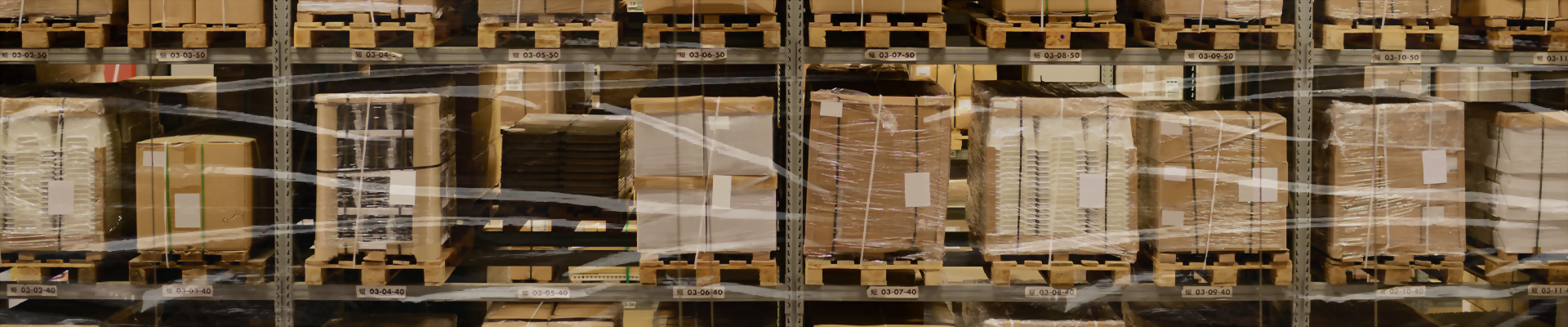
Plastic packaging has always had an interesting relationship with the environment and is a topic that can spark endless debate. A large amount of goods are transported over long distances by road or sea containers to ensure that the goods reach their destination intact.
However, the most cost-effective method is to use stretch film to wrap and stabilize palletized goods.
Therefore, China uses about 600,000 tons of stretch film every year;
Among them, 80% are hand-rolled films and 20% are machine-made films.
Each ton of plastic produces another 6 tons of carbon dioxide during its life cycle, meaning this everyday commodity creates and releases nearly 3.6 million tons of greenhouse gases into the environment each year in China alone. This is a shocking statistic, and the question now is, is there anything to be done about it?
The good news is that in recent years great progress has been made in the development of cast films that provide better grip while also reducing usage.
Not only is the film much thinner than traditional grades, it is also able to stretch to more than 300%, which means the film is more cost-effective in terms of price/performance.
Recently, Tongyuan has developed a series of carbon-neutral nano-wrap film series. These products can help companies maximize carbon neutrality.
For example:
Extra thin series
- 10 micron mechanical film,
- 5 micron pre-stretched hand-rolled film
Green series (with 30% recycled raw materials)
- 12 micron or 15 micron hand mask
- 15 micron mechanical film, etc.
Carbon peak is a historical turning point when carbon dioxide emissions turn from increase to decrease, marking the decoupling of carbon emissions from economic development. The peak target includes the peak year and the peak.
China has promised that carbon dioxide emissions will no longer increase before 2030 and will slowly decrease after reaching a peak.
China’s carbon emissions trading market will launch online trading on July 16, 2021. The power generation industry became the first industry to be included in China's carbon market, with more than 2,000 key emission units included. China's carbon market will become the world's largest market covering greenhouse gas emissions.
Carbon peak and carbon neutralization are together, referred to as "double carbon".
Carbon Peak - Baidu Encyclopedia
Plastic packaging has always had an interesting relationship with the environment and is a topic that can spark endless debate. A large amount of goods are transported over long distances by road or sea containers to ensure that the goods reach their destination intact.
However, the most cost-effective method is to use stretch film to wrap and stabilize palletized goods.
Therefore, China uses about 600,000 tons of stretch film every year;
Among them, 80% are hand-rolled films and 20% are machine-made films.
Each ton of plastic produces another 6 tons of carbon dioxide during its life cycle, meaning this everyday commodity creates and releases nearly 3.6 million tons of greenhouse gases into the environment each year in China alone. This is a shocking statistic, and the question now is, is there anything to be done about it?
The good news is that in recent years great progress has been made in the development of cast films that provide better grip while also reducing usage.
Not only is the film much thinner than traditional grades, it is also able to stretch to more than 300%, which means the film is more cost-effective in terms of price/performance.
Recently, Tongyuan has developed a series of carbon-neutral nano-wrap film series. These products can help companies maximize carbon neutrality.
For example:
Extra thin series
- 10 micron mechanical film,
- 5 micron pre-stretched hand-rolled film
Green series (with 30% recycled raw materials)
- 12 micron or 15 micron hand mask
- 15 micron mechanical film, etc.